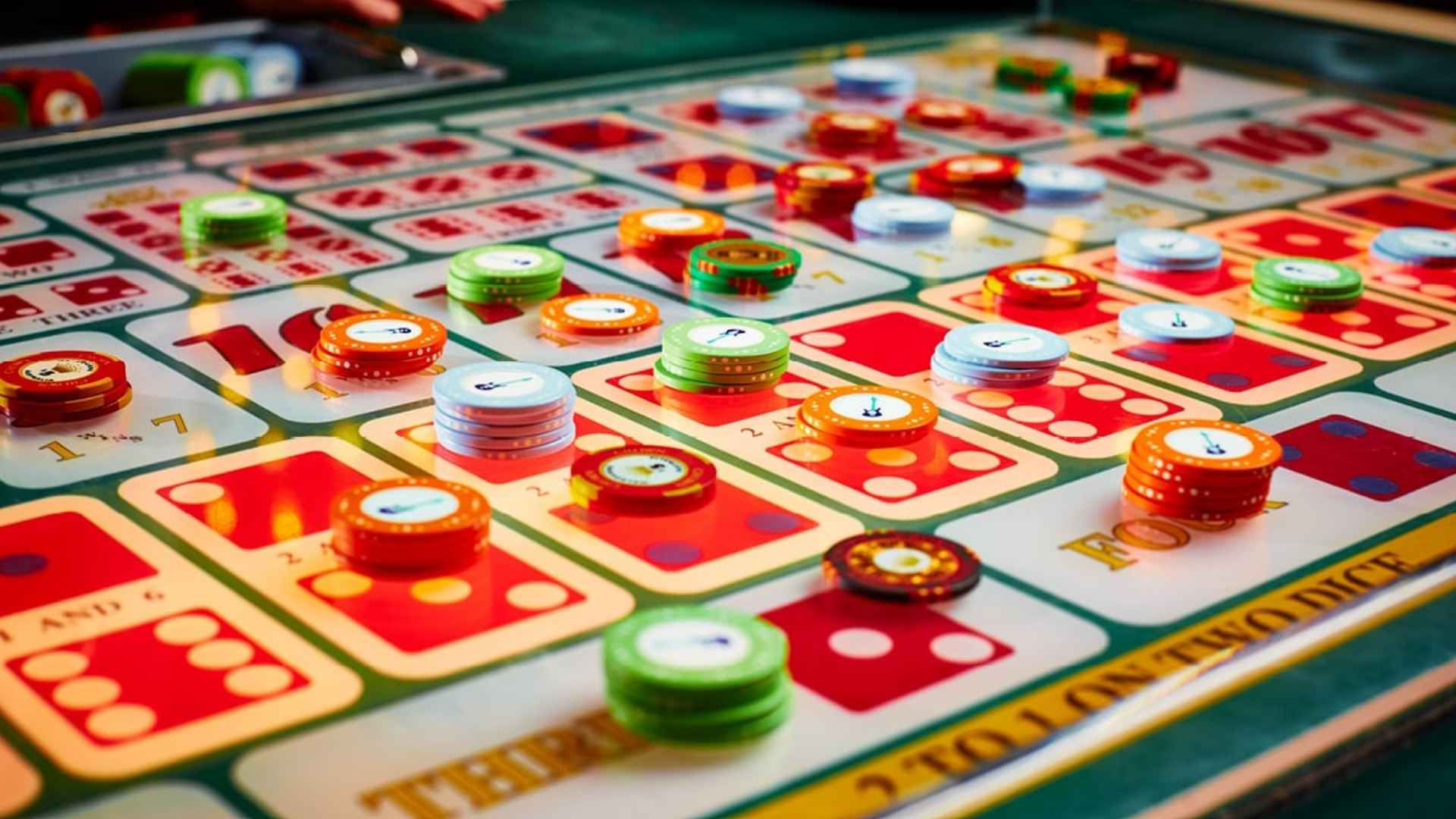
When the stakes are high during a crucial poker hand, the human body reacts almost instantly to the intense psychological stress. The mind does not operate in isolation from physical biology, as emotional shifts immediately trigger physiological responses like elevated heart rates and muscle tension. Understanding how these physiological reactions interact with decision-making is essential for maintaining control during pivotal table moments.
The Physiological Trigger of High-Stakes Stress
In moments of extreme tension, the brain perceives risk and activates the body's sympathetic nervous system. This automatic response floods the bloodstream with hormones such as adrenaline and cortisol, designed to prepare the body for immediate action. As a result, players may experience shallow breathing, a sudden surge in pulse, and subtle muscle stiffness.
While these physical symptoms are natural survival mechanisms, they can cloud analytical thinking if left unchecked. A heightened physical state often leads to hasty decisions or impulsive calls that bypass rational strategy. Recognizing these initial physical signals allows competitors to address their stress before it dictates their gameplay.
How Physical Signals Impact Strategic Decisions
Physical discomfort or tension can subtly alter how a player evaluates probabilities and risk at the table. When the body enters a defensive state, the brain naturally seeks relief, which can manifest as either extreme passivity or irrational aggression. These instinctual reactions frequently override hours of strategic preparation and technical study.
online platforms like link m88 offer environments where players can practice managing their emotional stability under competitive conditions. Developing awareness around your physical habits helps ensure that your tactical choices remain grounded in logic rather than bodily stress. Over time, bridging the gap between physical awareness and mental focus builds long-term table consistency.
Techniques to Regulate Body and Mind Under Pressure
Controlling physical reactions requires active physical management techniques during intense hands. Deep, rhythmic breathing helps activate the parasympathetic nervous system, which naturally slows down an elevated heart rate. By intentionally lowering physical tension, a player restores cognitive clarity and regains control over their thought process.
Additionally, maintaining steady posture and conscious muscle relaxation prevents visible tells that opponents might exploit. Consciously relaxing the shoulders and jaw can disrupt the cycle of anxiety feeding back into the brain. These simple physical adjustments create a stable foundation for sound strategic execution.
Building Resilience Through Somatic Awareness
Long-term mastery at the poker table involves developing strong somatic awareness, or the ability to tune into physical cues in real time. Players who monitor their physical state can anticipate emotional shifts before they result in costly strategic bluffs or folds. This self-awareness transforms physical reactions into informative feedback rather than disruptive obstacles.
By treating the body and mind as a unified system, competitors build greater resilience against fatigue and pressure. Consistently practicing physical grounding techniques fosters lasting composure during multi-hour sessions. Ultimately, mastering the mind-body connection turns high-pressure situations into opportunities for sharp, disciplined decision-making.